Skip to content

July 2026#

OpenVidu 3.8.0 is now available

OpenVidu 3.8.0 brings a major step forward for both OpenVidu Platform and OpenVidu Meet.

On the OpenVidu Platform side, the standout change is a complete mediasoup overhaul: RTX, DTX, AV1/VP9/H264 codecs and SVC are now fully supported, bringing mediasoup on par with Pion in terms of features while delivering a 2x performance boost. This release also tightens TURN security and improves the robustness of deployments across all supported clouds.

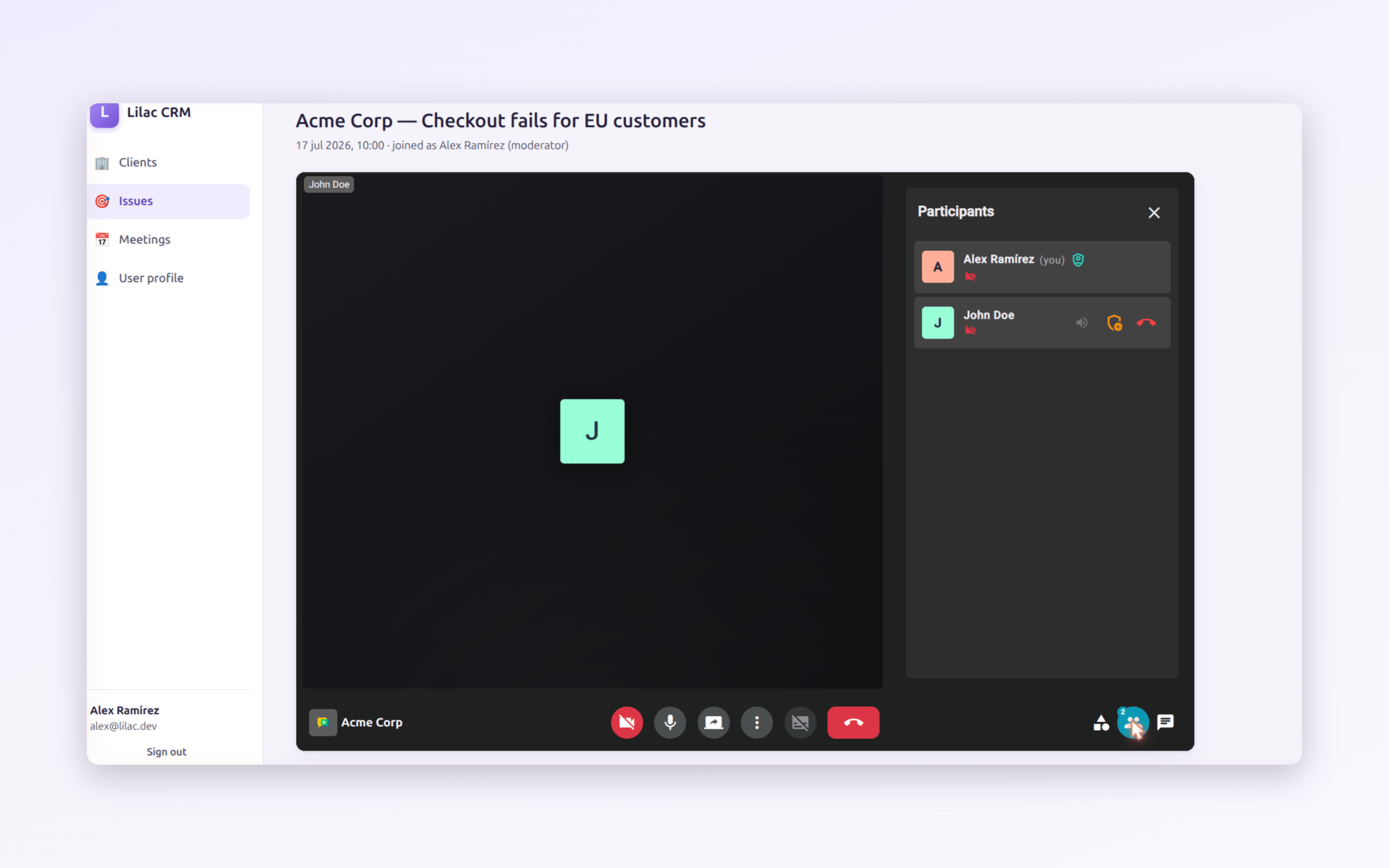
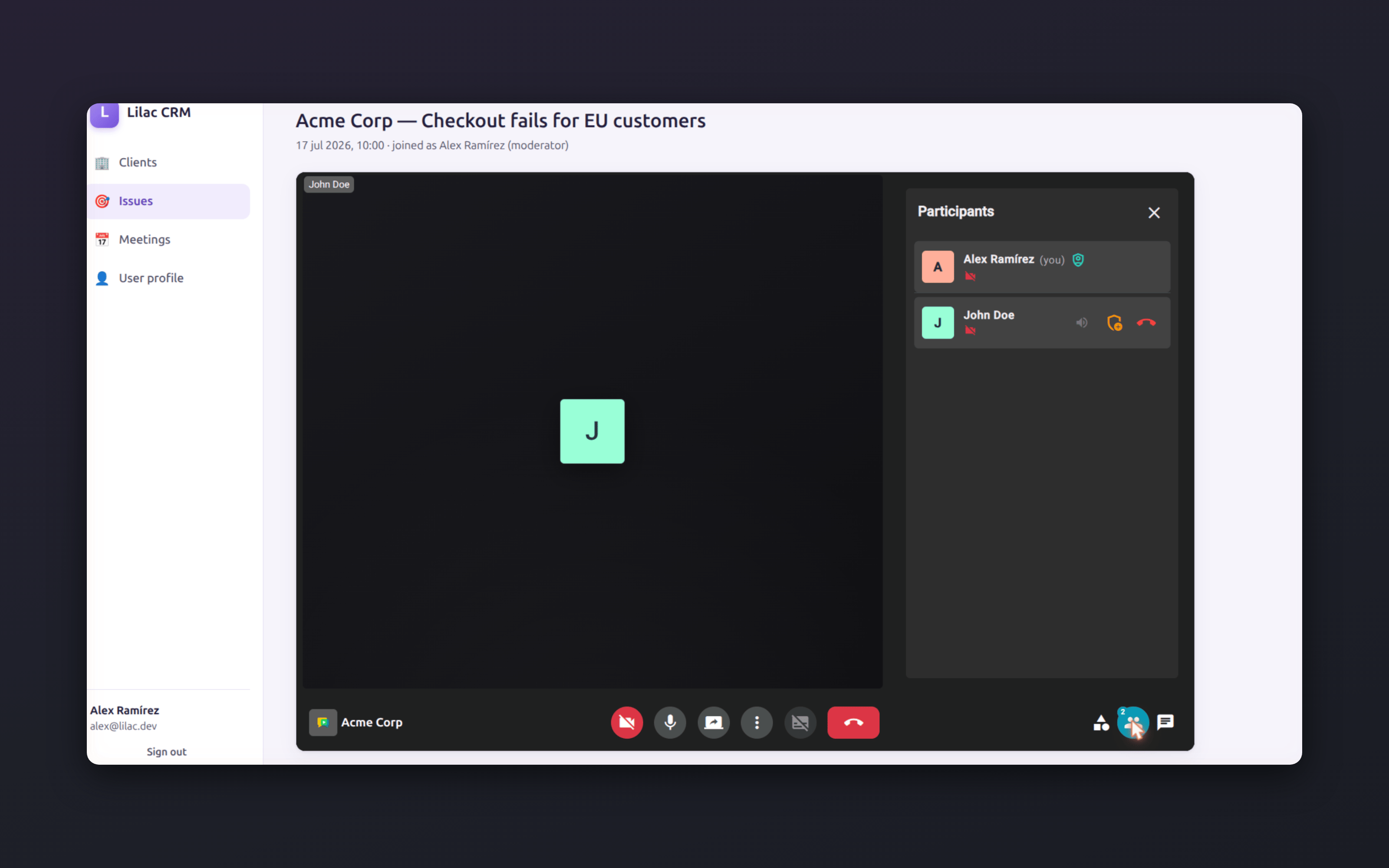
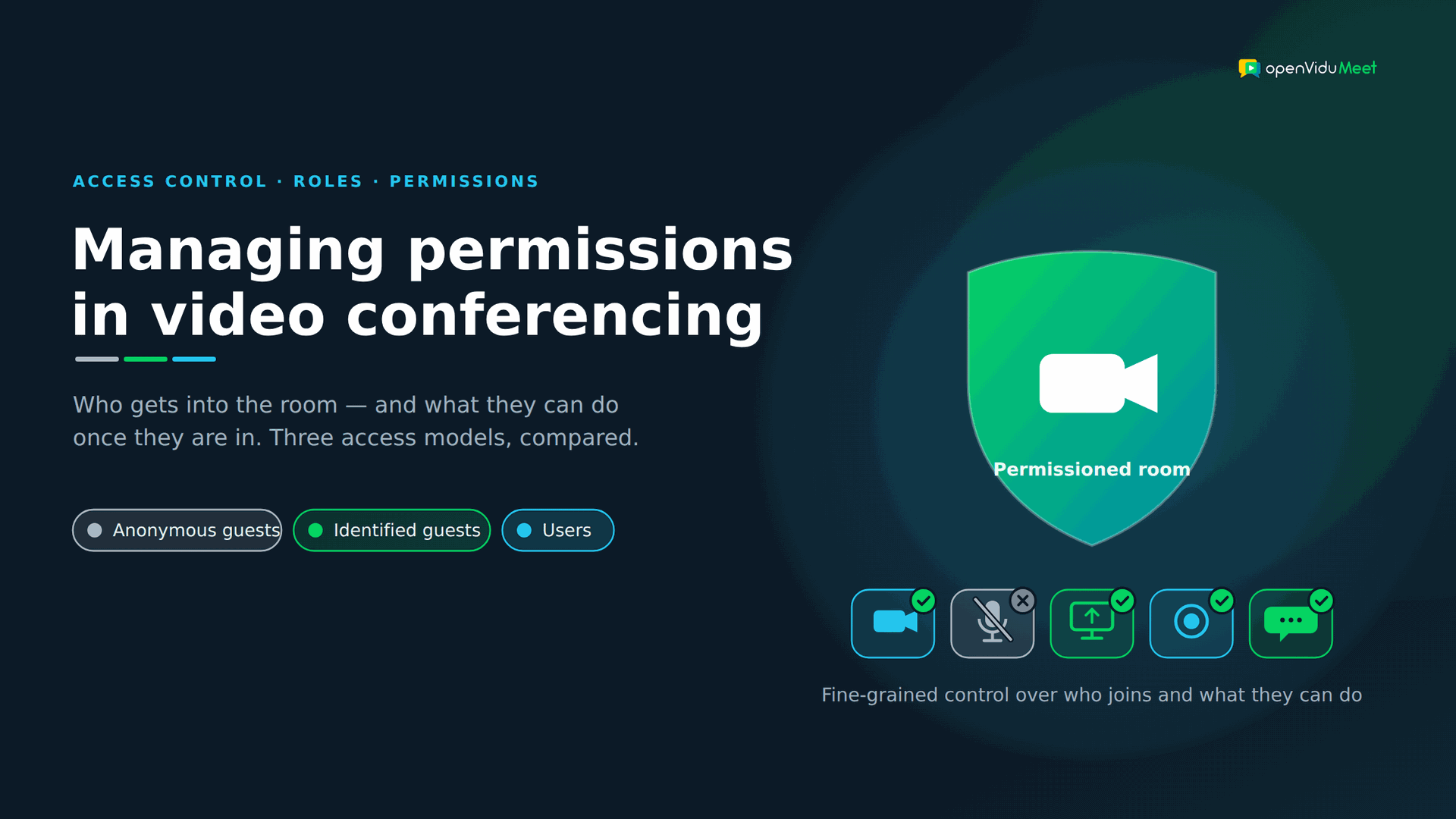
On the OpenVidu Meet side, this release introduces real user accounts with role-based access and fine-grained, per-person room permissions, turning the previous "share a link" model into a complete access control system. It also comes with a redesigned application, now fully translated into 10 languages, and a range of improvements to the in-meeting experience.

Continue reading for the complete release notes of both products.

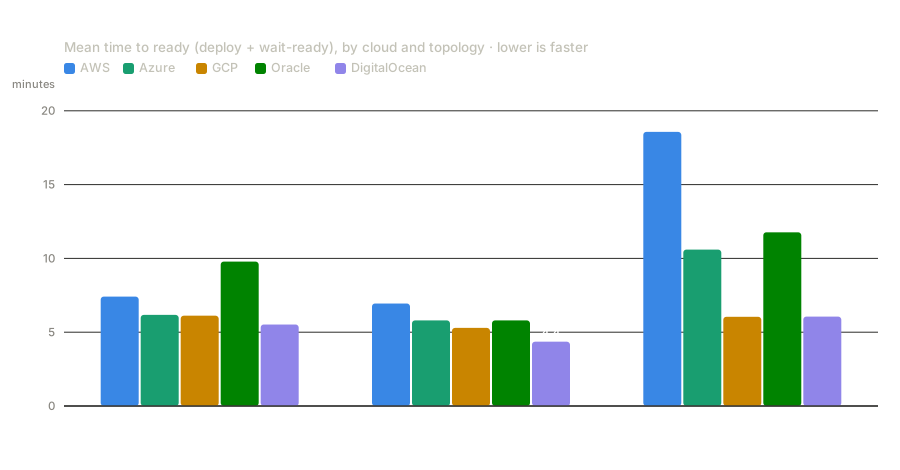
We deployed the same video platform on five clouds and timed it: 5 minutes to 20, and the slow ones are slow for a reason

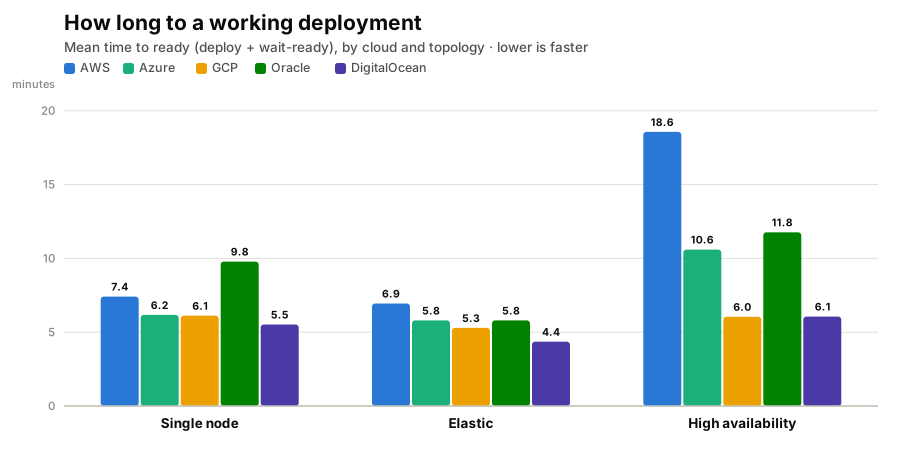
Mean time to a working deployment, by cloud and topology Mean time to a working deployment, by cloud and topology

"How long does it take to deploy?" sounds like a trivia question until you're the one watching a progress bar, wondering whether it's stuck. So we stopped guessing and measured it.

We built a tool, ov-cloud-tester, that deploys the same self-hosted WebRTC video stack on all five major clouds — AWS, Azure, Google Cloud, Oracle Cloud and DigitalOcean — in three topologies (single node, elastic, and high-availability), tears it down cleanly, and times the whole thing. We ran it many times per cloud and looked at both the averages and every individual run. The headline: standing up a working deployment ranges from about 5 minutes to 20, DigitalOcean is consistently the fastest and Oracle the heaviest — and the why, plus which clouds are actually predictable, turns out to be more interesting than the ranking.