5 conversational AI app ideas you can build this weekend#

AI is moving faster than any of us can comfortably keep up with. Every week brings a new model, a new demo, or a viral thread claiming that everything has changed again. Keeping up feels almost impossible.
As AI becomes mainstream, the noise grows even louder. Social feeds are packed with promises of overnight success: build a startup with vibe coding, replace entire teams with a handful of prompts, make money while you sleep.
This post isn't another one of those promises.
Instead, you'll find five conversational AI app ideas you can realistically build over a weekend. Some are practical, some are a little unconventional, but all of them will teach you something valuable about how modern AI systems actually work.
More importantly, these aren't just toy projects. They can help you develop real AI skills, build a portfolio, test business ideas, and maybe even create something people are willing to pay for.
Why real-time is the whole point#
The breakout product in this category already has a name: the AI voice agent.
Today, these systems are answering business phone lines, handling appointment requests, qualifying leads, resolving common questions, and routing callers to the right person when needed.
Thanks to platforms like Vapi and real-time infrastructure providers such as LiveKit or OpenVidu, building conversational AI products is becoming dramatically easier. Voice is quickly emerging as one of the first AI experiences many people encounter in their daily lives.
But voice agents aren't interesting because they can talk.
They're interesting because they can respond instantly.
A delay of two or three seconds might seem insignificant on paper, but in a conversation it feels broken. People interrupt each other, repeat themselves, wonder if the system heard them, and eventually give up.
That's why real-time matters.
The difference between a natural conversation and a frustrating experience often comes down to latency. The faster the system can listen, process, and respond, the more human the interaction feels.
This is exactly where WebRTC shines. Its low-latency, full-duplex audio and video capabilities make it ideal for conversational AI applications, enabling interactions that feel fluid rather than transactional.
And voice agents are only the beginning.
Let's look at a few more ways WebRTC and conversational AI can be combined to create products people genuinely want to use.
1. The AI running coach in your ear#


The idea. Imagine having a running coach who never falls behind.
This voice assistant runs with you, reads your pace and heart rate from your watch, listens to your breathing, and adapts the workout in real time. You can interrupt whenever you want.
"Slow down.", "Can I push harder?", "This hill is killing me."
Instead of following a fixed training plan, the coach reacts to what's happening right now. When the run ends, it can explain what happened, where you struggled, and what to improve next time.
What makes it possible now. A few years ago, this would have required multiple specialised systems stitched together with noticeable delays.
Today, wearable biometrics are widely available, speech models sound natural enough to motivate rather than annoy, and real-time AI pipelines can respond in under a second. The interesting challenge is combining live sensor data with conversational context while keeping responses fast enough to matter.
Build it this weekend. The MVP is surprisingly small: a mobile app, Bluetooth headphones, a real-time voice agent, and access to Apple Health or Garmin Connect.
Don't start by building a complete coach.
Start with a single rule: when heart rate crosses a threshold, generate a spoken recommendation. Once that loop works, everything else becomes an iteration.
2. The AI tour guide on your smart glasses#
The idea. Imagine walking through a city and never wondering what you're looking at.
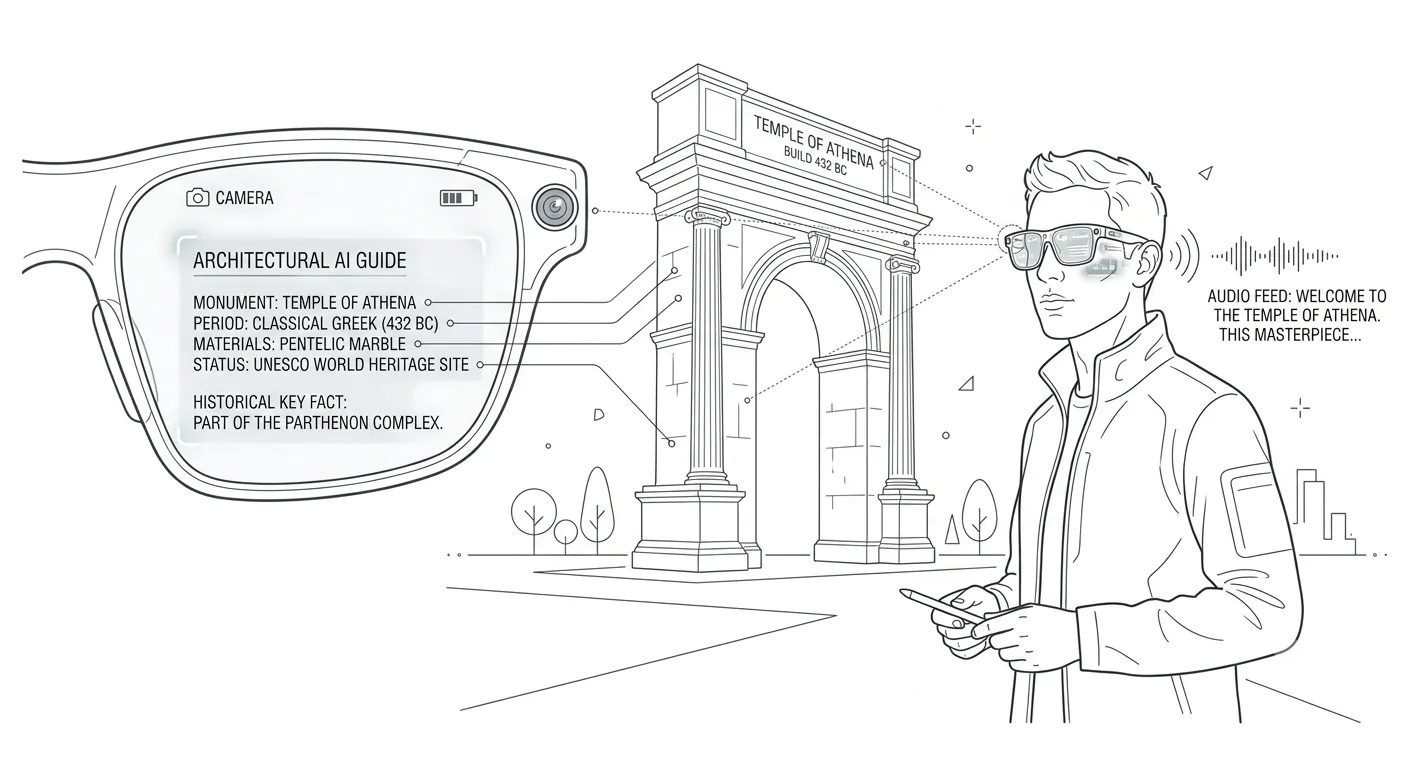
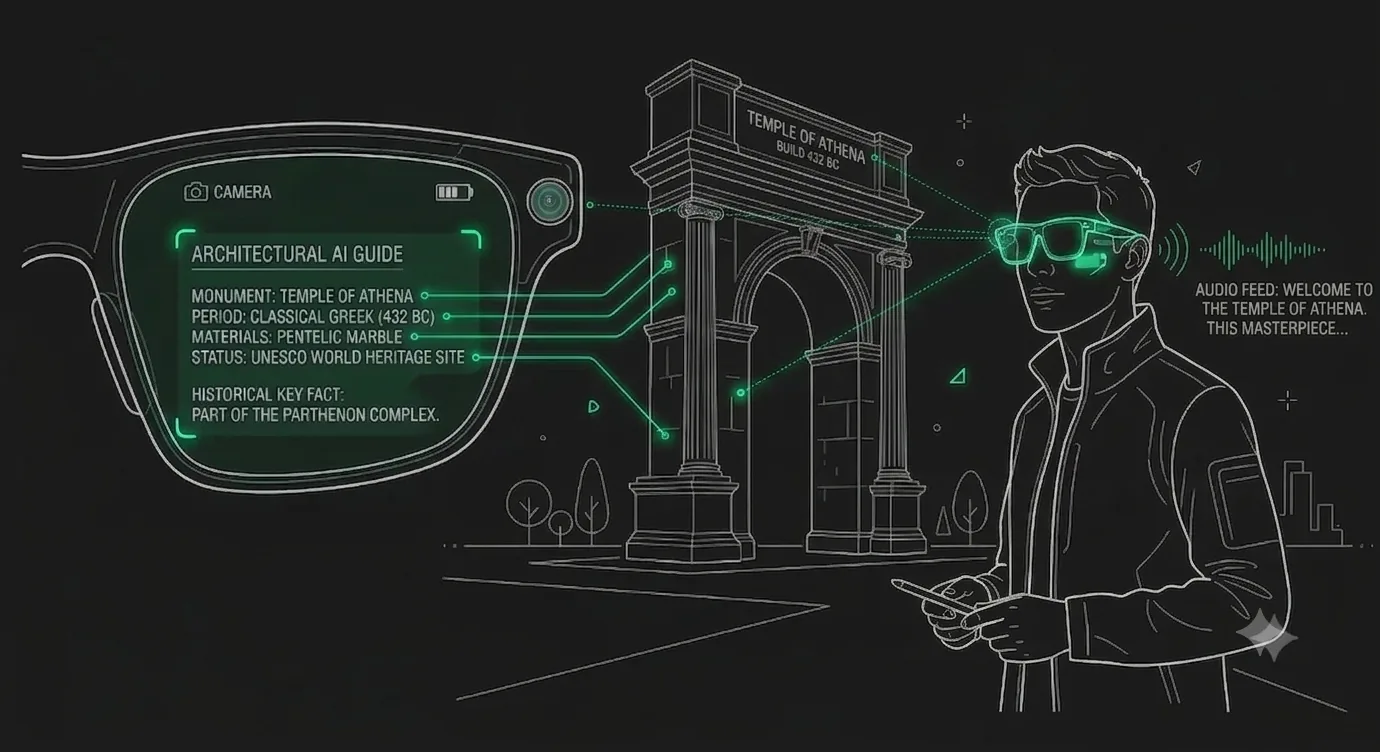
You glance at a monument, a building, a painting, or a restaurant, and an AI guide instantly tells you what makes it interesting. Not as a wall of text, but as a short conversation you can interrupt at any moment.
Tourists are the obvious audience, but locals may be even more interesting. Imagine walking through your own city and discovering the stories behind buildings you've passed hundreds of times, learning about a restaurant before stepping inside, or getting context about an artwork the moment it catches your attention.
What makes it possible now. Vision models have become fast enough and conversational enough to turn visual recognition into a real-time experience.
A few years ago, identifying a landmark meant taking a photo, uploading it, and waiting for results. Today, devices such as Meta Ray-Ban glasses can analyse what you're seeing and speak back while you're still looking at it.
Build it this weekend. Don't start with smart glasses.
Start with a mobile web app, access to the phone camera, a vision-capable model, and a curated list of landmarks for a single city.
If you can point the camera at a monument and hear a useful explanation a second later, you've already built the core experience.
3. The AI chef on your kitchen counter#
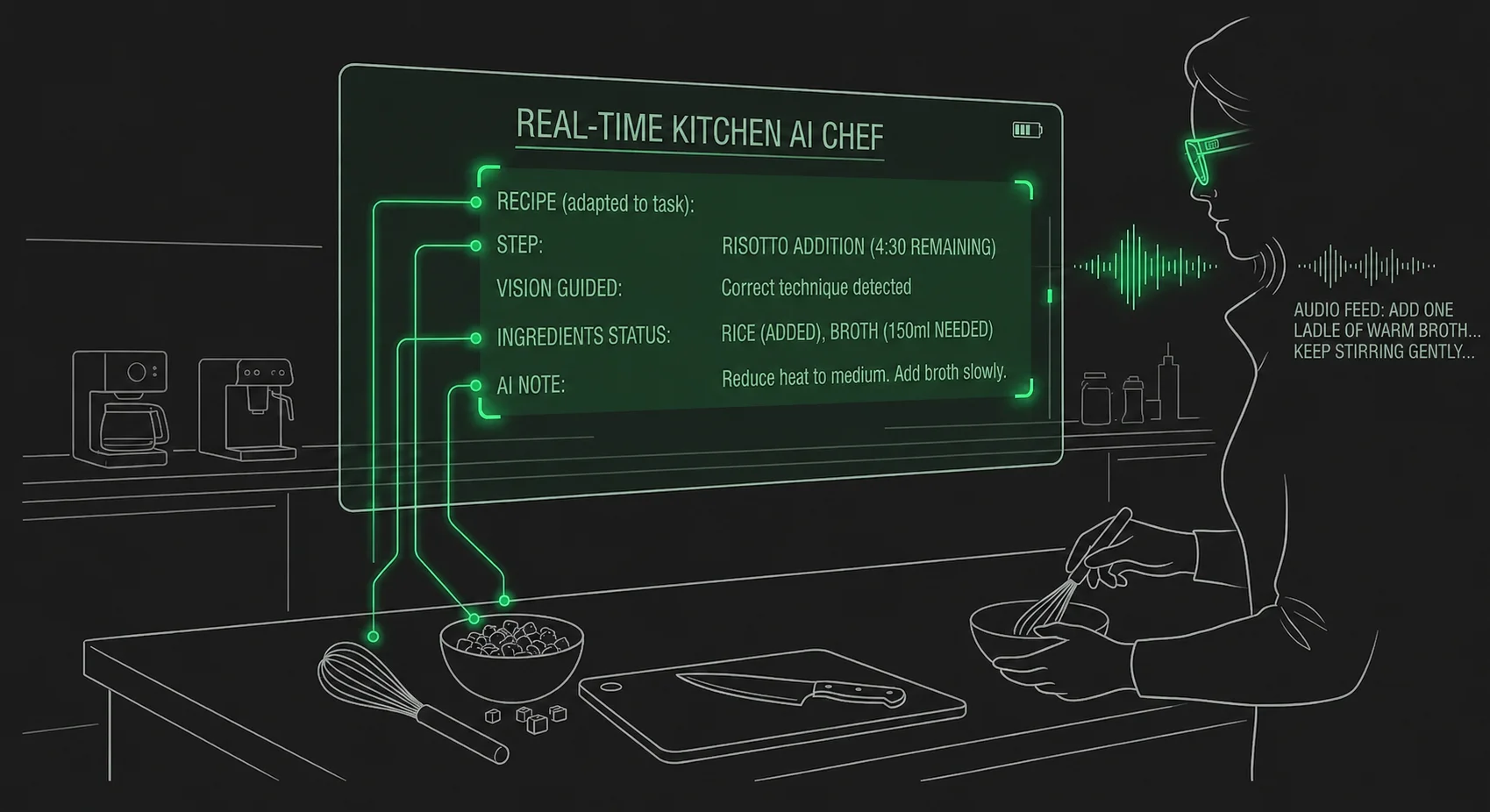
The idea. Prop your phone against the backsplash and start cooking.
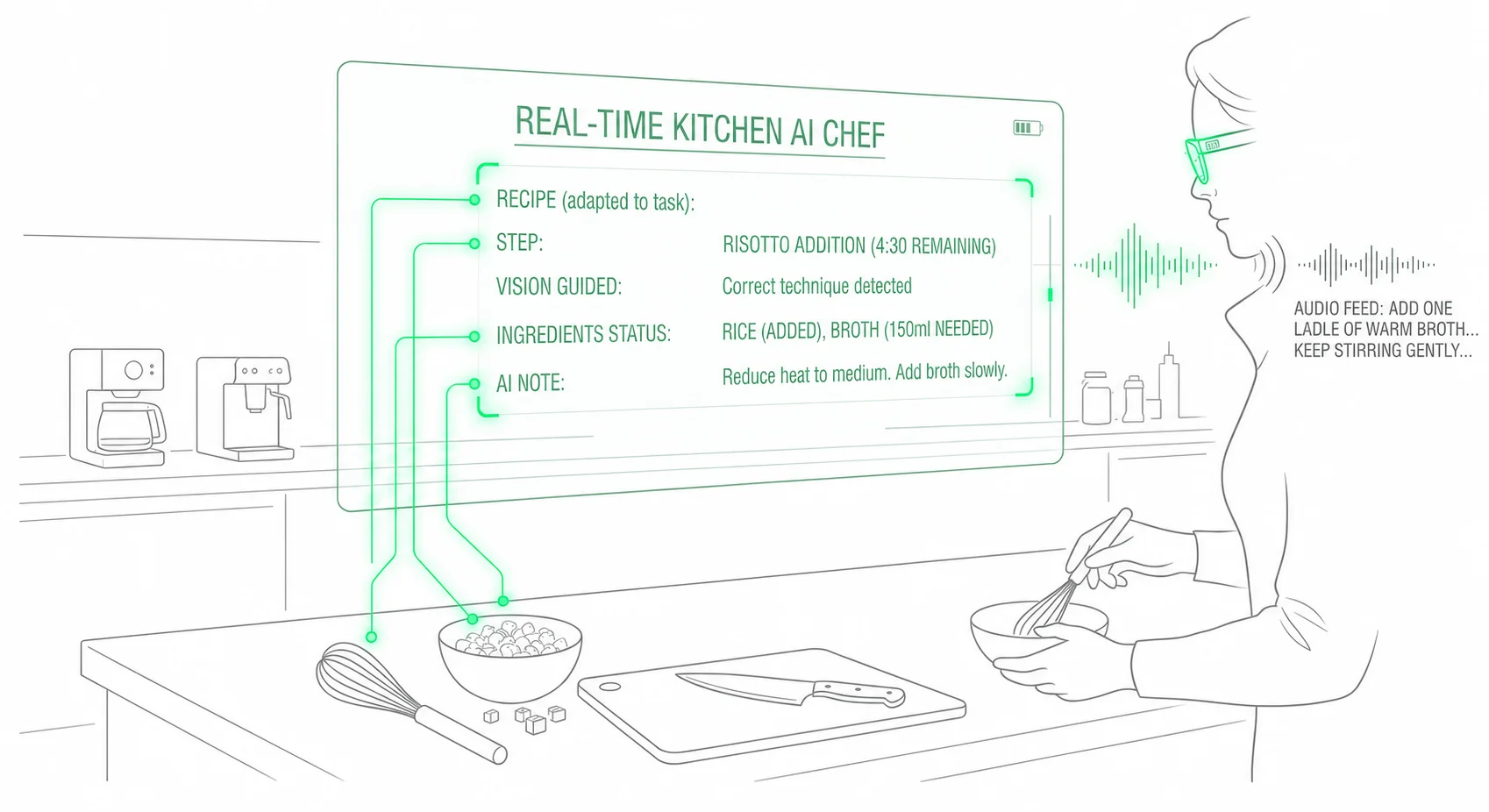
The AI watches the pan, listens to what's happening, and guides you through the recipe step by step. Not from a static list of instructions, but from what it can actually see.
"Turn the heat down.", "Add the garlic now.", "The onions need another minute.", "Don't worry about the lumps. Add a splash of water and keep stirring."
You never need to touch the screen with flour-covered or greasy hands. The recipe becomes a conversation.
What makes it possible now. For years, cooking apps could only tell you what should happen next.
Now they can see what is happening right now.
Modern vision models can analyse live video, voice systems can maintain a natural conversation, and mobile devices are finally powerful enough to support both at the same time.
The interesting challenge is teaching the system to react to change. A pan that was fine ten seconds ago may be smoking now. The model needs to continuously observe, not just answer a single question about a frozen image.
That's what makes it feel like a chef standing beside you instead of a recipe on a screen.
Build it this weekend. Keep the first version simple: a progressive web app, access to the camera, a vision-capable model, and a small collection of carefully tuned recipes.
Then cook dinner with it.
If it can reliably tell you when the pan is too hot or when the onions are ready, you've already built something surprisingly useful.
4. The AI sales copilot on your call#
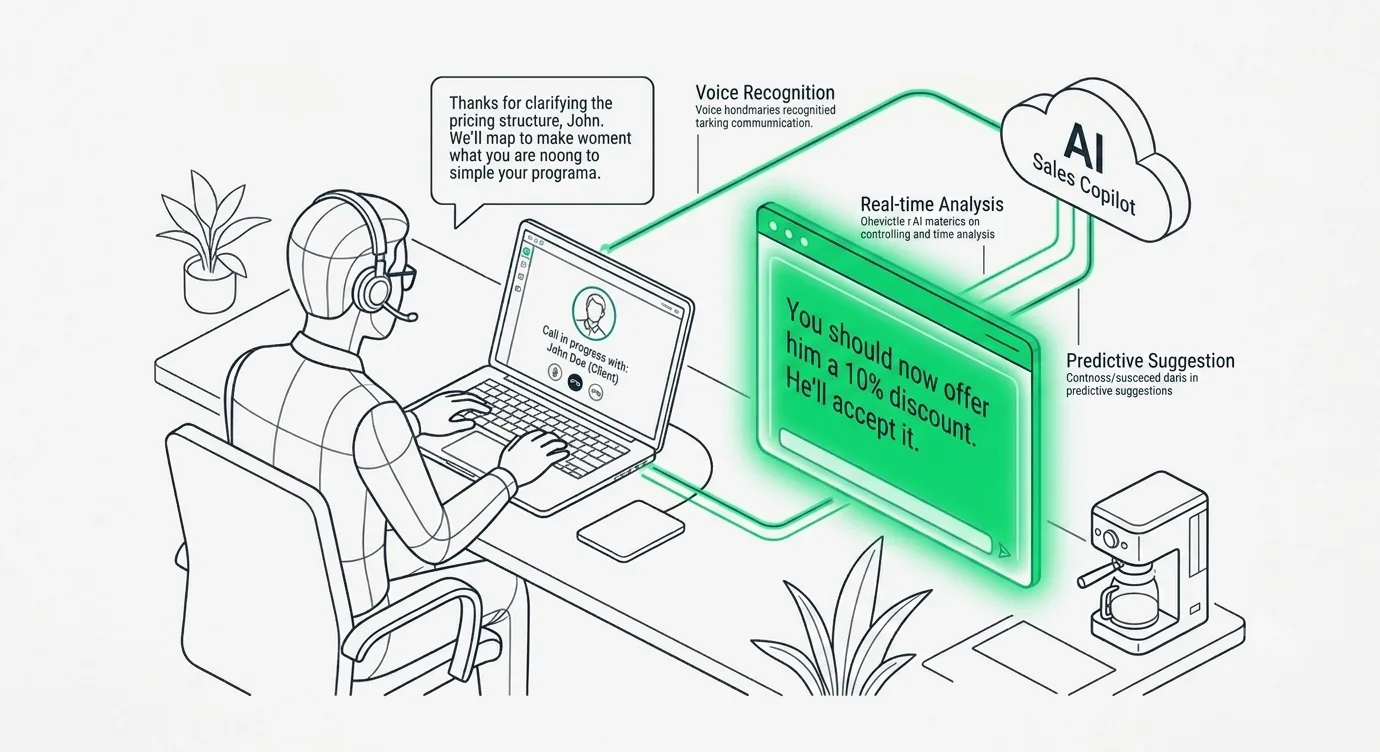
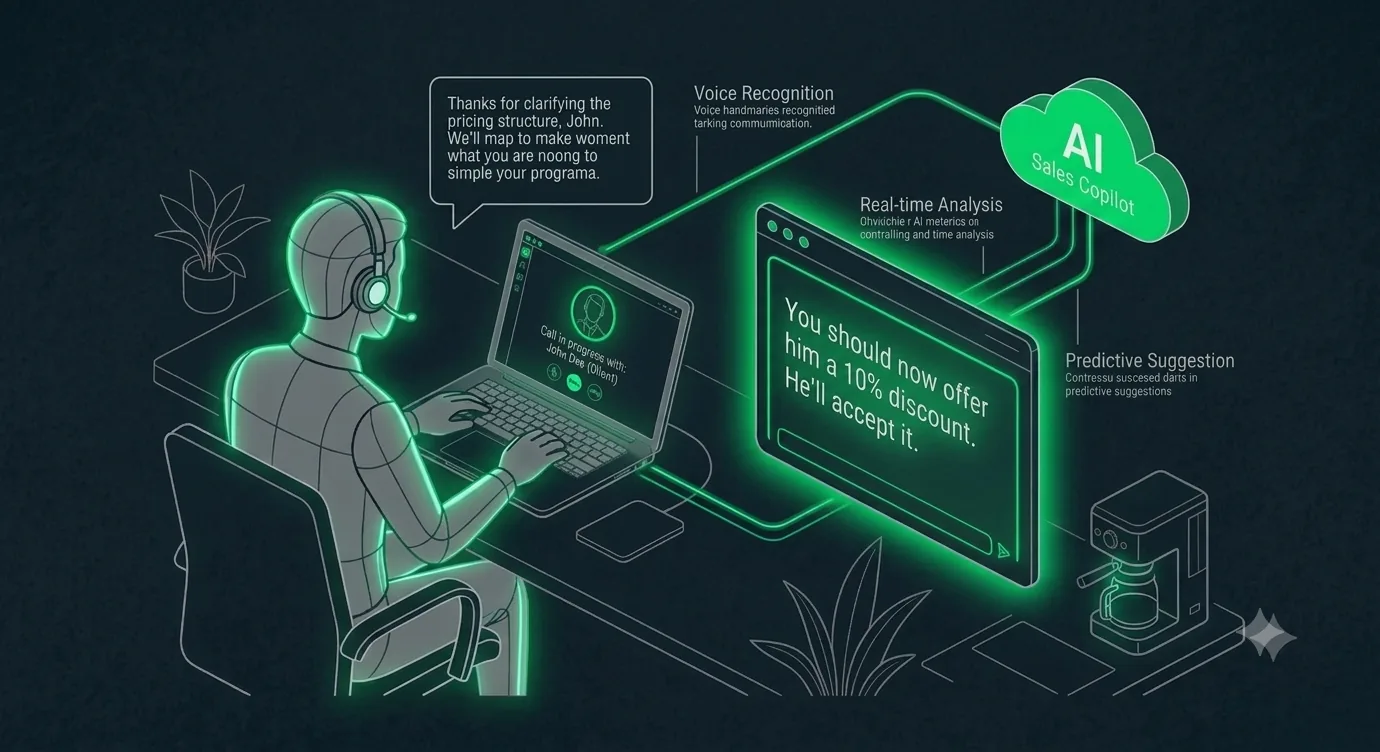
The idea. You're on a live sales or negotiation call.
The conversation is moving fast. A price is on the table. Objections appear without warning. You don't have time to think — only to respond.
Now imagine having a quiet assistant in your ear, or a small panel on your screen, listening to both sides of the call in real time.
It doesn't take over the conversation.
It sharpens it.
"Budget concern detected — anchor higher."
"They hesitated twice on pricing — offer the annual discount now."
"Counter this objection with the implementation timeline."
You stay in control of the call. The AI simply helps you avoid missed opportunities in the moment they happen.
What makes it possible now. For a long time, sales tools could only analyse conversations after they ended.
By then, the deal was already lost or won.
Now models are fast enough to track live speech from both sides of a call, maintain a rolling understanding of intent, and surface actionable suggestions within seconds.
The key challenge isn't understanding language. It's timing. Advice that arrives even slightly too late is no longer useful.
This turns the system into something fundamentally different from analytics: a real-time negotiation partner.
Build it this weekend. Start with a single browser-based call listener that transcribes both sides in real time.
Then add one rule: detect objections and surface a suggested response.
Only after that layer in pricing strategies, concessions, and negotiation playbooks.
The goal isn't a perfect copilot.
5. The AI that argues the other side#
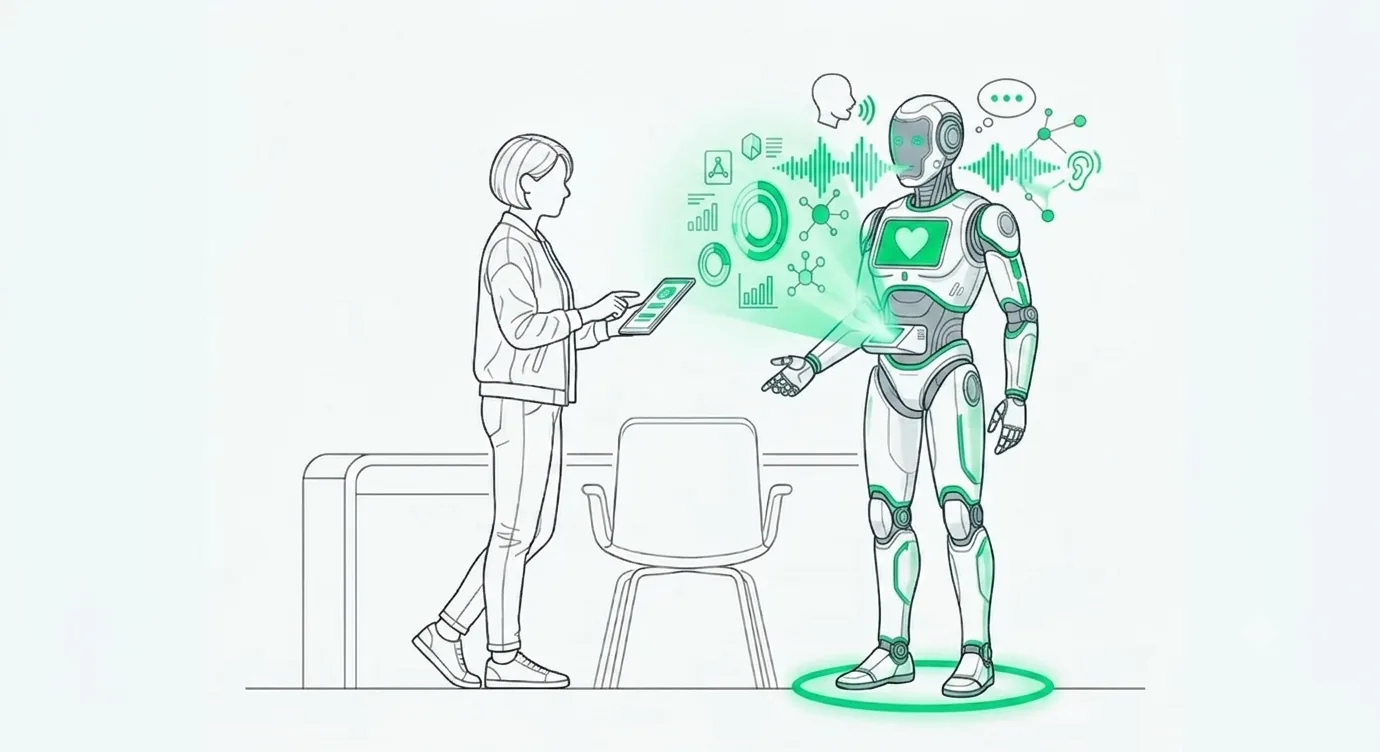
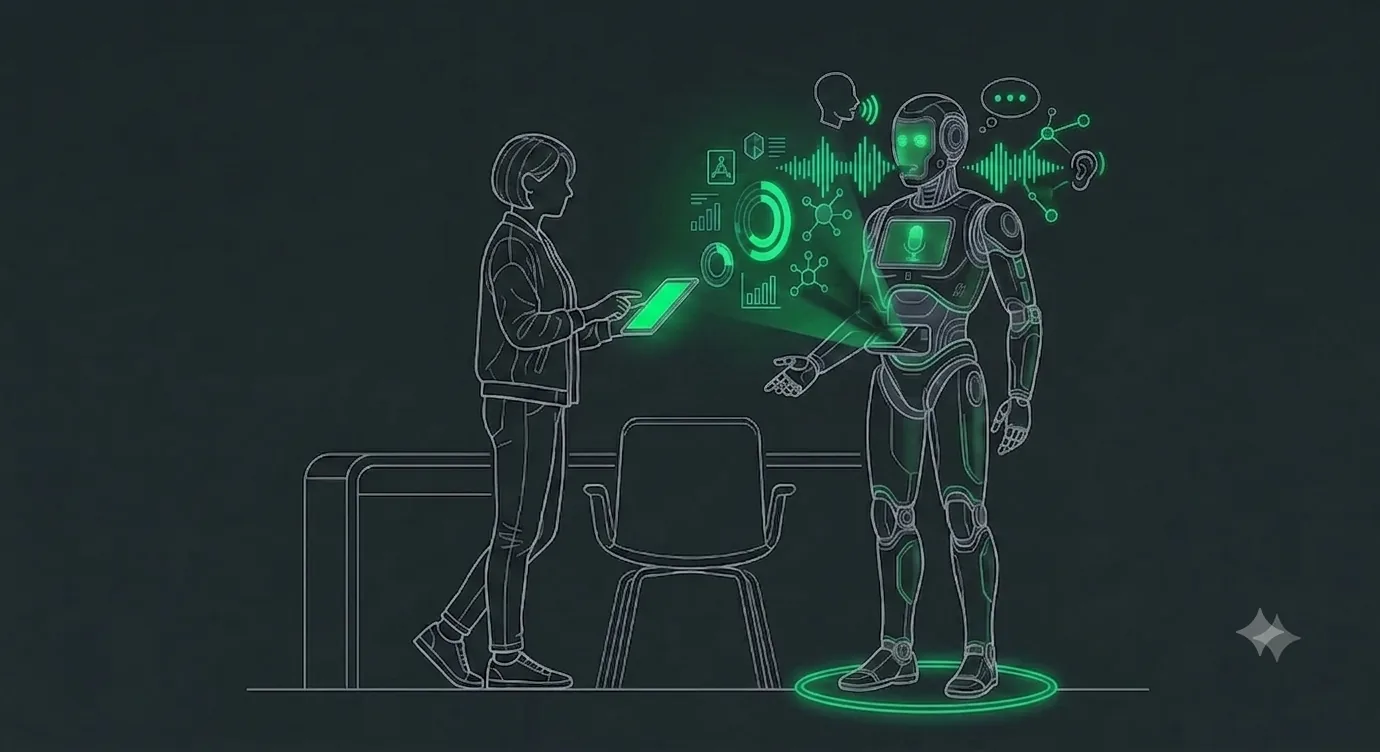
The idea. Imagine having a sparring partner that never agrees with you too easily.
You’re preparing for a debate, a tough interview, a salary negotiation, or a sales pitch. Instead of rehearsing alone, you speak your argument out loud — and the AI immediately takes the opposing side.
Not politely. Not neutrally. Properly.
"You said remote work increases productivity — but 2024 collaboration data suggests the opposite. How do you respond to that?"
"You claim this product is differentiated — but what about X competitor?"
Every statement you make is tested in real time. Weak points are exposed immediately, not after the fact.
The goal isn’t to help you speak better.
It’s to help you think sharper under pressure.
What makes it possible now. Most AI systems today collapse disagreement into summaries or balanced answers.
But reasoning models are now fast enough to maintain two active perspectives at once — yours and the opposing stance — and generate live counterarguments without losing coherence.
The key challenge is persistence: keeping the AI locked into a position that actively resists you, instead of drifting toward agreement.
Done well, it becomes something closer to a debate partner than a chatbot.
Build it this weekend. Start simple: a web app with push-to-talk and an agent instructed to hold a fixed opposing stance.
Speak your argument. Let it push back.
Once that works, upgrade to full-duplex so it can interrupt you mid-thought — just like a real opponent would.
What every one of these has in common#
All of these ideas use conversational AI, and some of them also require equipping the AI with vision or sensor data. But the thing they all share is that they need to be live. The user is talking, the model is responding, and the conversation flows back and forth in real time.
Technically, all of them share the same pipeline:
Speech-to-text (STT) → Large language model (LLM) → Text-to-speech (TTS)
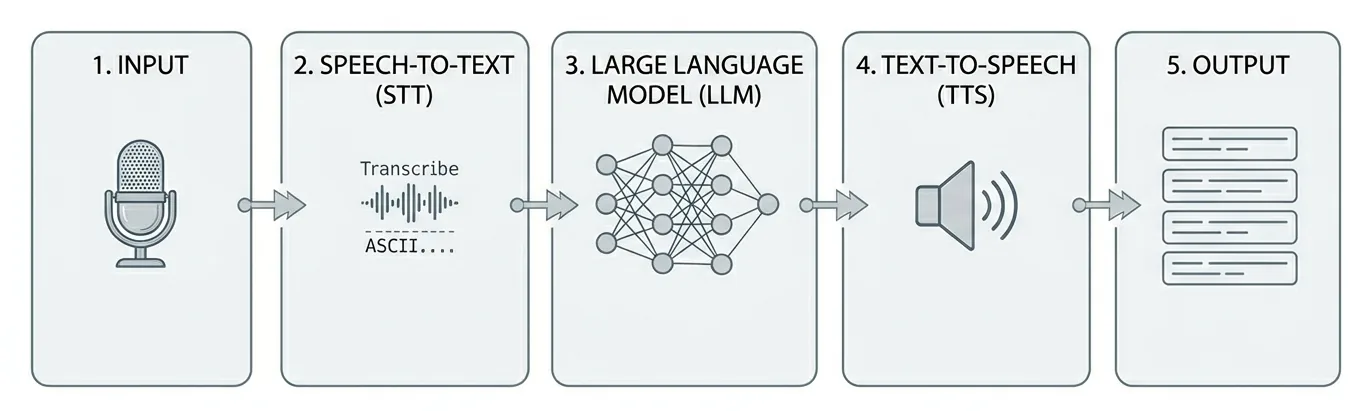
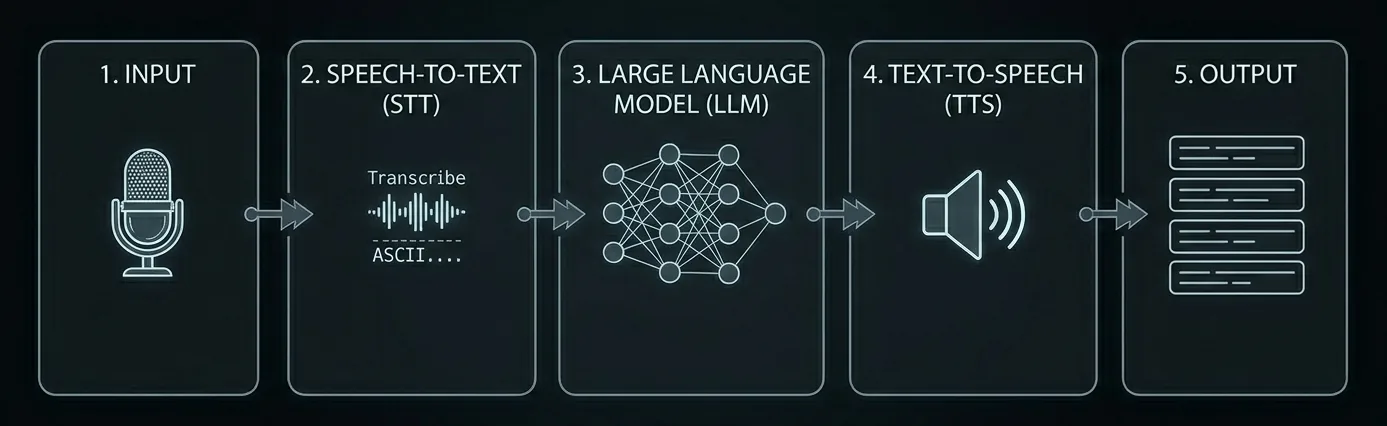
The model listens, the model thinks, the model speaks. Add vision or sensor data when the idea calls for it, and the structure barely changes.
The hard part was never the AI. It's making the whole loop happen fast enough to feel like a conversation. That's the transport layer, and it's exactly where most weekend projects quietly fall apart: the demo works on your laptop, then collapses the moment two people, a flaky network, or real latency get involved.
Pick one and build it this weekend#
Start with the smallest possible loop — one sensor reading, one camera frame, one spoken reply — and get it talking back to you in under a second. Once that loop feels alive, everything else is just iteration.
And when you're ready to make it real-time, you don't have to build the WebRTC layer yourself. OpenVidu handles the live audio and video transport, and its custom AI agents wire the STT → LLM → TTS pipeline straight into your rooms — so you can spend the weekend on your idea instead of the plumbing.
Now go build one of them. We'd love to see what you ship.