Skip to content

Comparison#

ARM or x86 for WebRTC media servers? Participants per node on 3 clouds
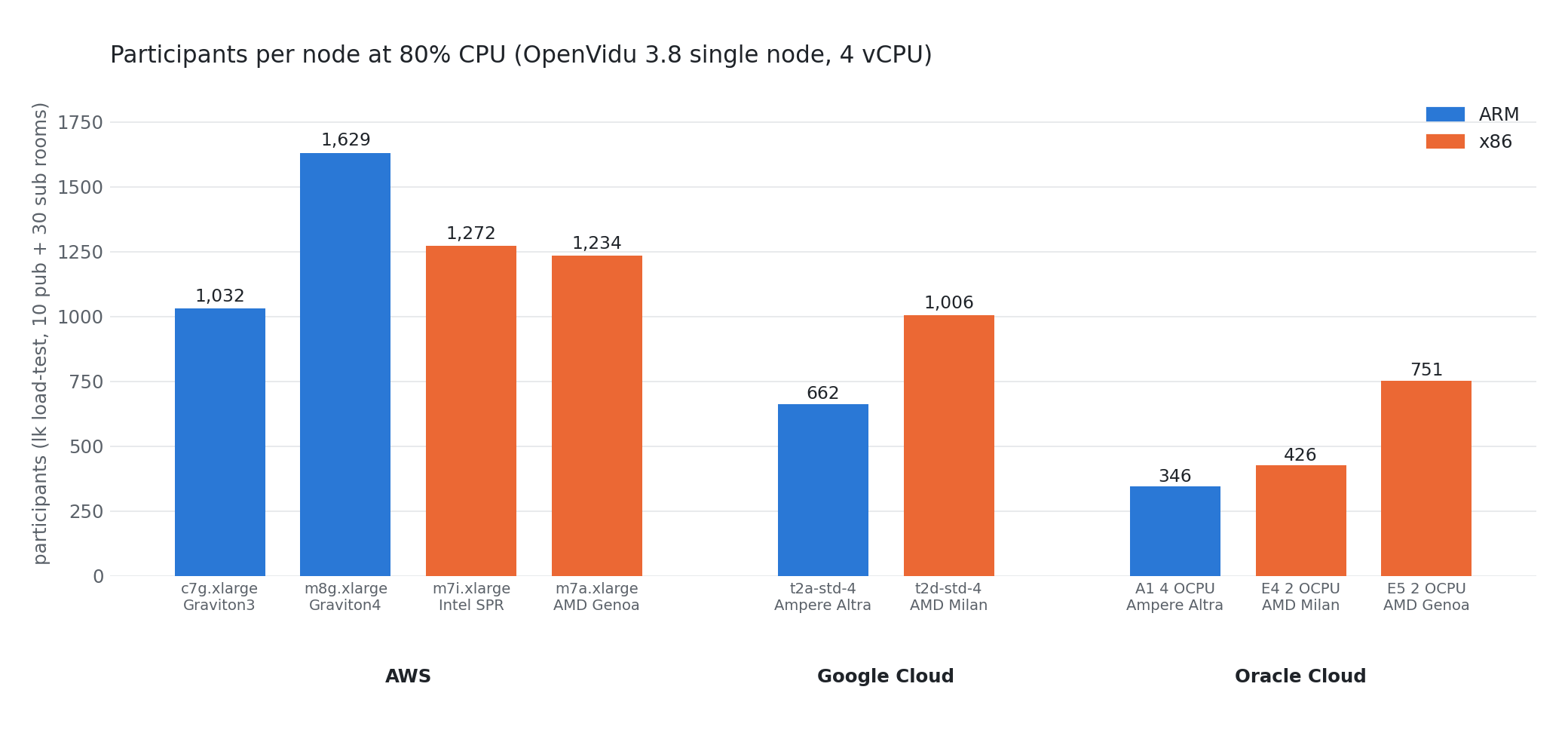
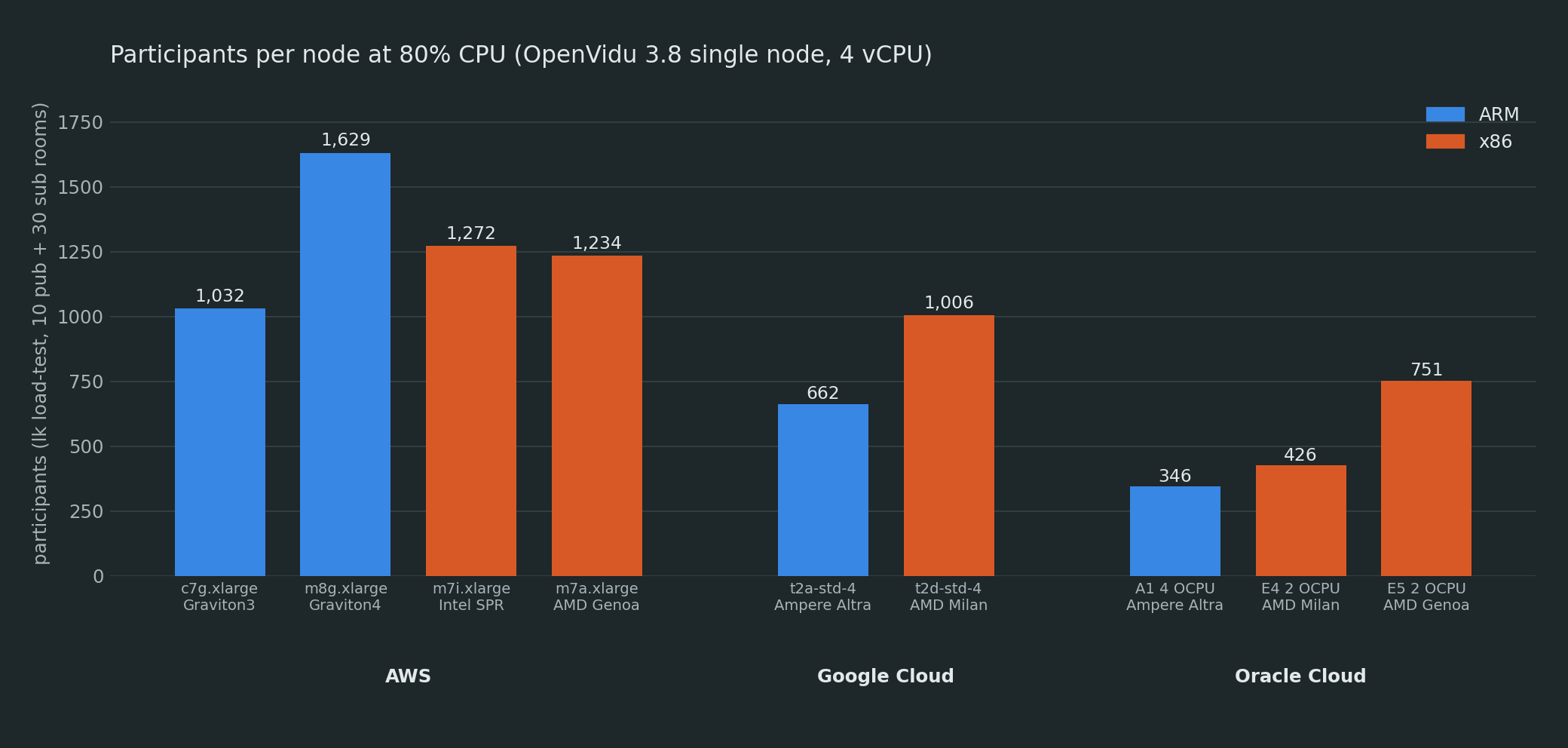
Participants per node at 80% CPU, ARM vs x86, on AWS, Google Cloud and Oracle Cloud Participants per node at 80% CPU, ARM vs x86, on AWS, Google Cloud and Oracle Cloud

On every major cloud, an ARM instance costs less per hour than the x86 instance of the same size. On AWS, for example, a 4-vCPU Graviton3 machine is about 20% cheaper than its Intel equivalent. But a lower price only saves money if the machine can handle a similar load, and for a WebRTC media server that means forwarding a similar number of RTP packets per second.

We didn't find any published numbers for SFU workloads on ARM, so we ran the test ourselves. We deployed the same OpenVidu 3.8 single node on matching ARM and x86 instances in AWS, Google Cloud and Oracle Cloud, and used the same load generator and ramp on all of them, adding participants until the CPU ran out.
Low Latency Live Streaming: WebRTC vs. HLS and DASH (Part 1)

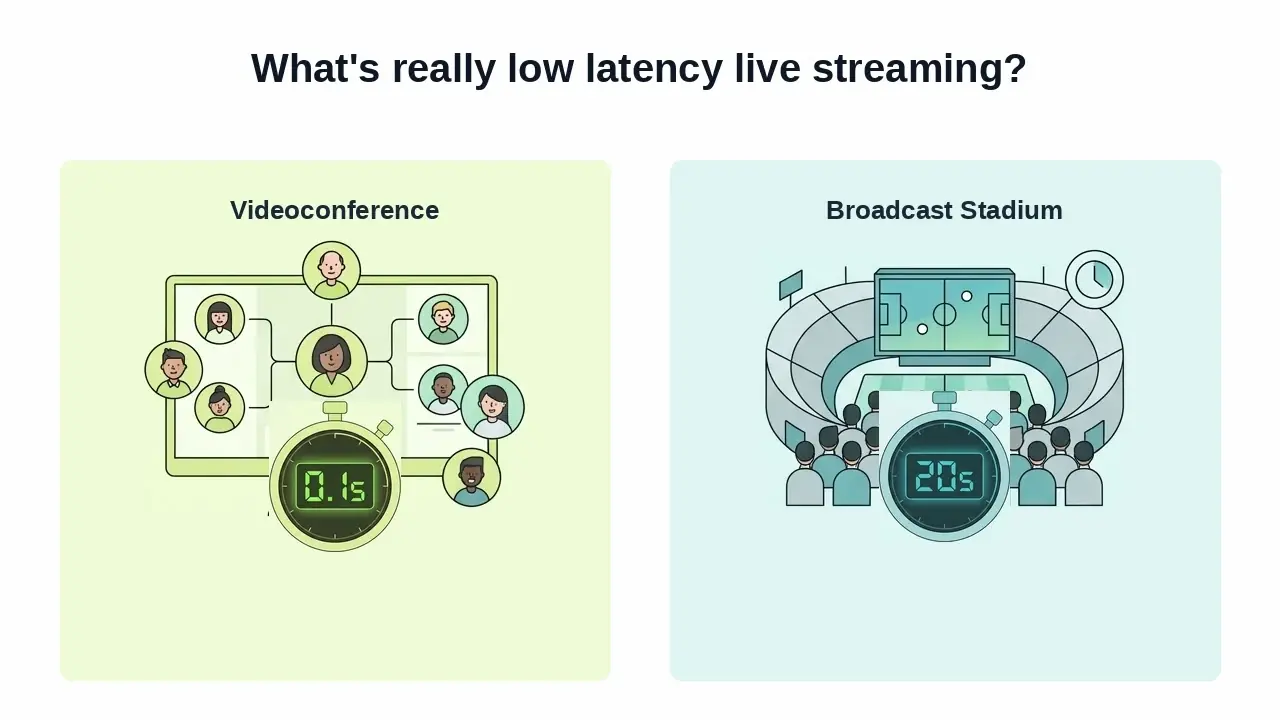
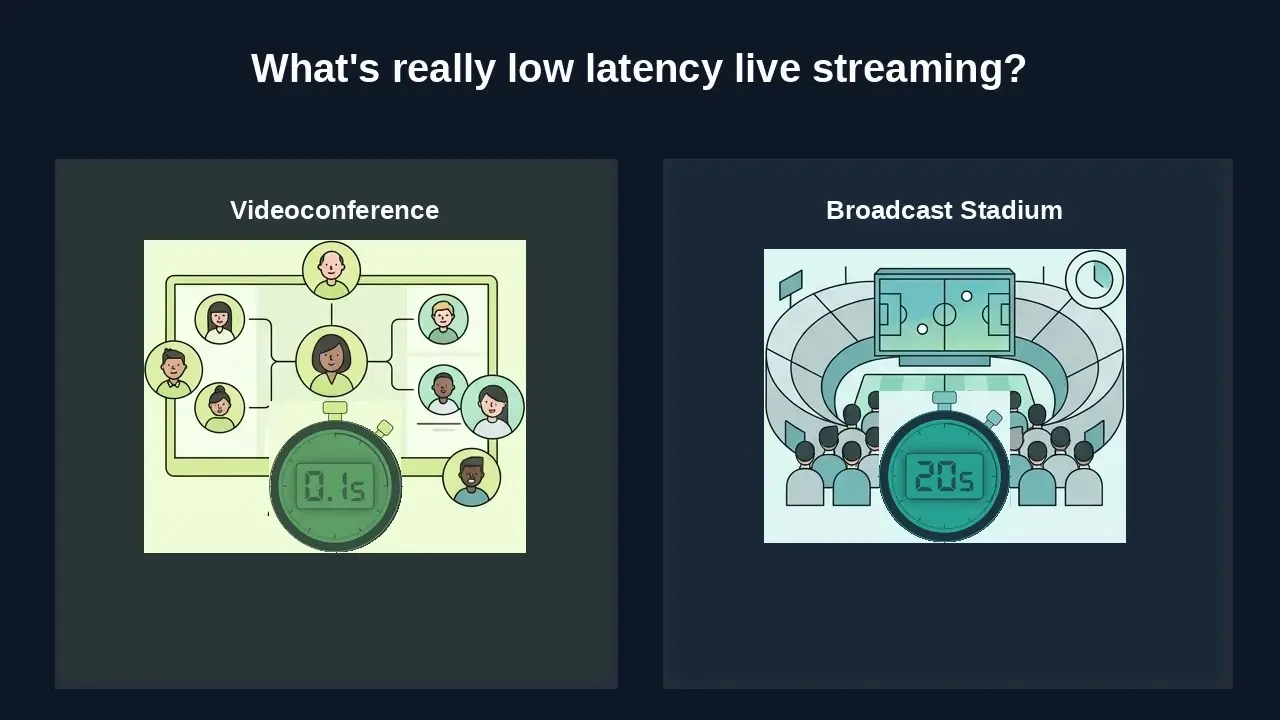
A split-screen graphic comparing a near-instant video call with a delayed live broadcast A split-screen graphic comparing a near-instant video call with a delayed live broadcast

When Spain was playing the World Cup, we noticed something annoying. We celebrated each of Spain's scores by shouting "GOOOOOL", 15 seconds before our neighbors saw the goal on their TV. Obviously, we ruined their experience watching the game, so much that they asked us where we were watching it from to avoid the gap. Now picture that same 15-second gap on a live shopping stream where you're typing "does it come in blue?", or in a video call where you keep talking over the other person because their audio hasn't reached you yet. That's the difference between "live" and low latency live streaming.